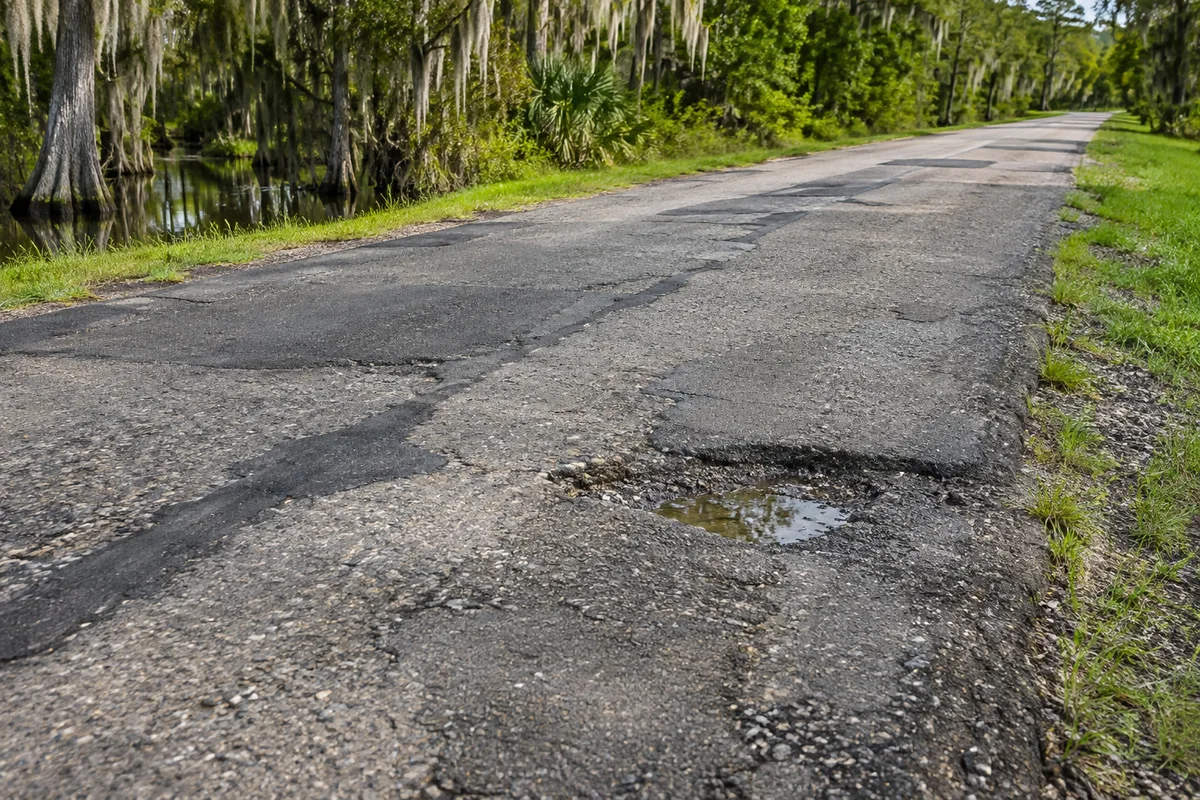
You can feel how road surfaces affect driving when you leave smooth asphalt and turn onto a gravel lane. The sound under the tires changes, and bumps, ruts, or loose stone can make the ride feel different. The condition of the surface matters, too. A freshly paved road and a patched road may both be asphalt, but they can feel quite different behind the wheel, especially after rain.
Asphalt vs. Gravel vs. Dirt
Asphalt Roads and Ride Smoothness
Asphalt is like the cool, reliable friend we all love. It’s the most common road surface in urban jungles, offering a smooth, stable ride. But, like any good thing, it has its kryptonite – weather and wear can lead to cracks, potholes, and even the dreaded sinkholes. However, asphalt, particularly Asphalt Paving Baton Rouge, still reigns supreme for providing excellent tire traction and a predictable driving experience.
Gravel Roads and Loose Stone
Gravel roads, the outback adventurers of the road family, are a different beast. While they exude a rustic charm, they’re notorious for their mood swings. Rain turns them into slippery slides, and constant use creates ruts that could rival a roller coaster. The loose stones reduce tire grip, making stopping a game of skill and patience.
Dirt Roads and Soft Spots After Rain
Then there’s the dirt road – the untamed, unpredictable maverick. These roads are the rebels without a cause, turning into mud baths with a hint of rain. Driving on them requires a mix of finesse, courage, and maybe a dash of insanity. They’re not just roads; they’re adventures waiting to happen.
How Road Surfaces Affect Driving on Asphalt, Gravel, and Dirt
Asphalt
An even asphalt surface can give you a smooth ride. Sunken patches, raised seams, and potholes can make that same road feel rough as it wears. See our asphalt paving services for examples of new paving, repair, and resurfacing.
Gravel
Loose stones can shift under tires. Over time, traffic can leave ridges or ruts, especially where vehicles regularly turn or follow the same wheel paths.
Dirt
An unpaved dirt road can feel firm when dry and develop soft spots or deeper ruts after rain. The difference is often most noticeable in low areas where water collects.
Why Pavement Texture and Drainage Matter After Rain
A road can feel smooth from the driver’s seat and still have fine surface texture that matters when it gets wet. That texture influences tire grip, while the road’s shape and drainage affect where water collects. The Federal Highway Administration’s guide to pavement texture explains how texture relates to wet-weather friction and tire noise.
What Potholes and Uneven Patches Can Tell You
If the same stretch of a private road feels rough every time you drive over it, look for a settled patch, a rut, or a pothole that returns after repair. These are everyday examples of how road surfaces affect driving. Document where the damage is and whether water collects there after rain. Those details can help a contractor determine whether asphalt maintenance and patching is enough or the road needs a closer look at its base and drainage.